The Mixtape Before the Playlist
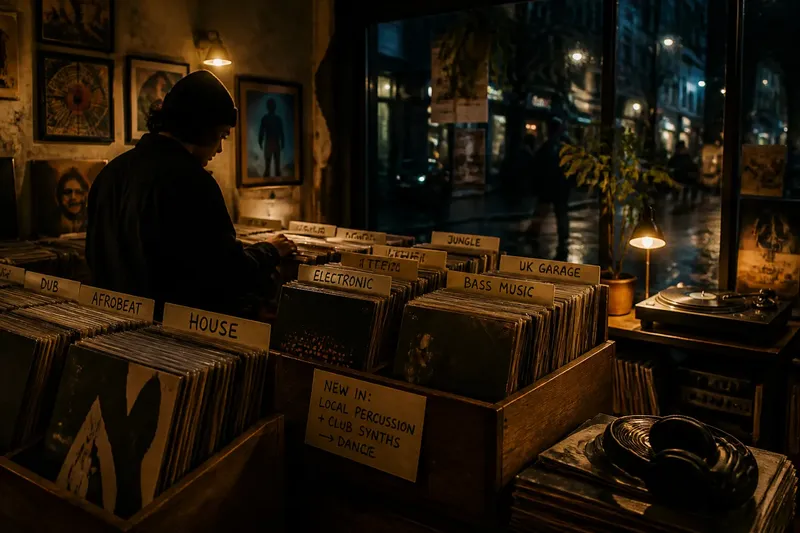
The mixtape before the playlist was a selected message between people. Learn how its sequence, audience and purpose can guide a more personal music share.
The common mistake with the mixtape before the playlist is to treat it as a pile of favourites with a title. That misses the work of choosing an order for a particular person; what gets lost is not sound quality, but the feeling that someone has paid attention to the listener.
A mixtape was a social object: a selection made for someone, arranged to say something, and handed over with its meaning left partly open. Its importance lay in the relationship around the songs, not in the means used to play them. A cassette could carry the message, but so could a handwritten track list, a borrowed record, or, now, a shared playlist assembled with the same care.
There are three useful approaches to making one: a direct message, a portrait of a shared bond, and a guided passage through a mood or idea. They are not rigid genres. Each gives the maker a different answer to the same question: what should the recipient understand about why these songs belong together?
A message for someone
The direct-message mixtape has a clear recipient and a purpose that can be felt without being spelt out. It might offer comfort after a difficult week, mark a friendship, or give a gentle nudge towards a conversation. The songs do not need to say the same thing; they need to feel chosen for that person.
This approach suits someone who knows the recipient’s listening habits well enough to avoid making the selection a display of their own taste. A track that matters to the maker may still belong, but the question is whether the recipient can meet it somewhere: a familiar sound, a shared memory, or a lyric that might land kindly rather than forcefully.
Restraint matters. A compilation that tries to explain every feeling can become a speech with a soundtrack. Leaving room for the recipient to interpret the choices respects the fact that a gift is an invitation, not a demand for a particular reply.
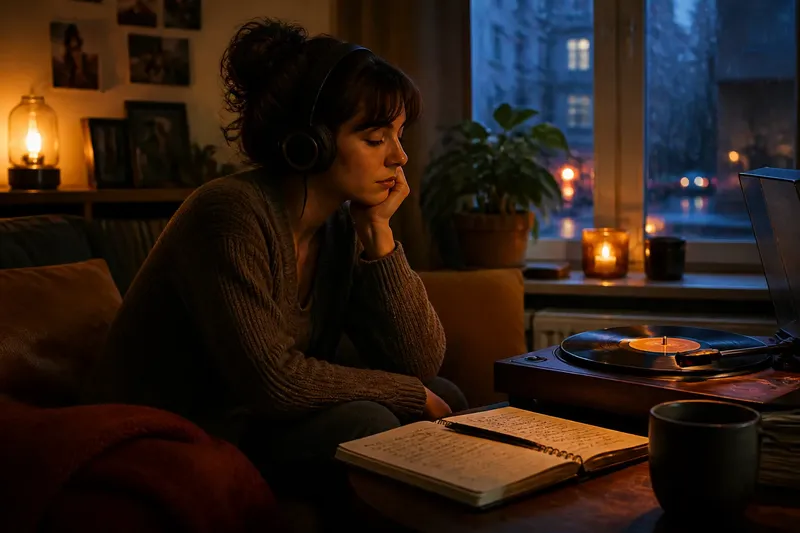
Say you want to encourage a friend who has been spending quiet evenings at home. You choose a few songs they already enjoy, place a warm but unfamiliar one between them, and close with something that leaves the mood open rather than insisting that everything is fine. The expected result is a mix that feels companionable and gives them room to respond in their own way.
A portrait of a bond
A shared-history mixtape is built from references that two people recognise: a song from a long journey, a band discovered together, or a sound that recalls a familiar place. Its sequence can work like a private conversation, with one track calling up another. The value lies in the connection between songs and listeners, not in how obscure the references are.
This option suits close friends, partners, siblings, or collaborators whose relationship has accumulated its own shorthand. It can also suit a group, though a collection of inside jokes may exclude anyone who does not know the story. If the mixtape is meant for one person, a few recognisable details usually make a stronger centre than a dense catalogue of references.
Here the order can carry a small narrative. Begin with a sound that opens the memory, move through the moods the two of you associate with it, then finish with a song that points towards the present. That does not mean the sequence must chronicle a relationship or make a claim about its future. A lighter touch often lets the recipient supply the meaning.
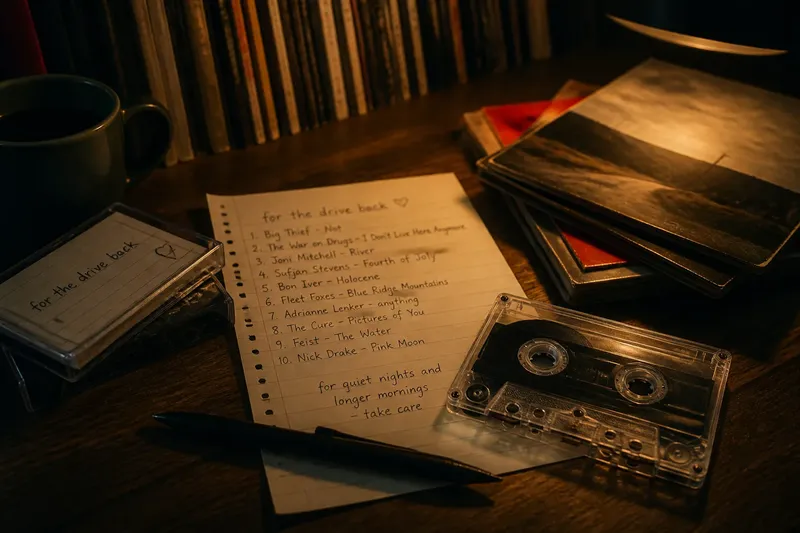
Keep the accompanying note modest. A brief line such as “for the drive back from the coast” can give the recipient a doorway into the selection; a long explanation can close down other associations before they arise. If a song has a private meaning, a small clue may be enough.
A guided passage
A third approach is to use the mixtape as a route through a mood, place, or musical idea. Rather than speaking directly to one person or revisiting a shared memory, it asks the listener to follow a change: a rainy afternoon giving way to a brighter evening, or a familiar sound opening onto less familiar music.
This suits a recipient who enjoys being led through a sequence and is receptive to unfamiliar choices. It also works when the maker wants to share curiosity without presenting a list of recommendations. The distinction is in the pacing: each selection should make the next one feel possible, even when the style changes.
Transitions can be based on a shared instrument, a related rhythm, a shift in energy, or a contrast that feels intentional. There is no need to write an essay explaining the route. A simple title or short note can give a listener a loose point of orientation while leaving them free to hear connections the maker did not plan.
Think of the sequence as a paper trail rather than a lecture. Each song leaves a mark that helps the next one make sense, but the listener can still wander. A mixtape that turns discovery into an exam, with obscure selections offered as proof of expertise, is less generous than one that makes room for curiosity.
How do you choose?
Should every song be familiar?
No. Familiar songs can make a gift feel immediately welcoming, while an unfamiliar choice can show what the maker hopes to share. A mixture often works well, provided the new material has some point of contact with the recipient’s tastes or the mixtape’s purpose.
Does the order matter?
Yes, if the selection is meant to say something as a whole. An opening can establish the invitation, the middle can deepen or complicate it, and the ending can leave a particular aftertaste. That structure can be subtle; it need not resemble a formal narrative.
Should the maker explain the choices?
A little context can help, especially when a song refers to a shared memory. Explain only what gives the recipient a useful doorway, rather than defending every selection or prescribing what it should mean.
Can a digital playlist count?
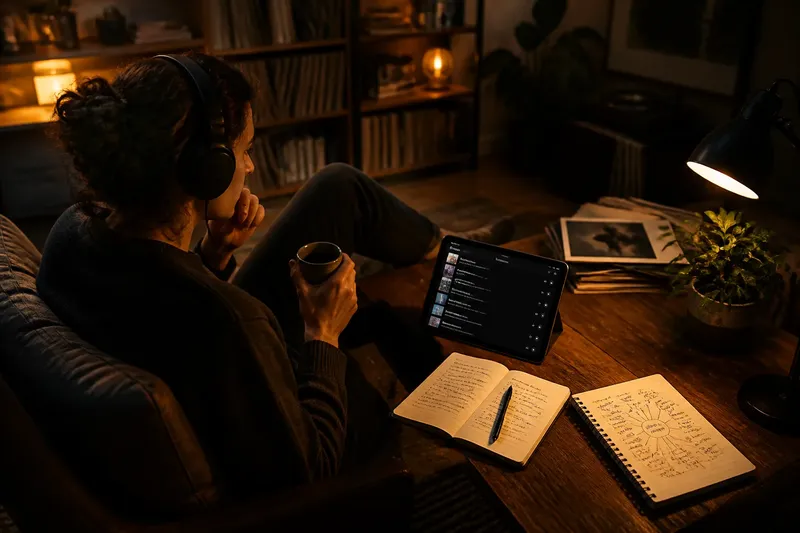
It can, if it retains the personal selection and sequence that make a mixtape feel addressed to someone. A link sent without context may feel casual, while a considered order and a short note can make the same digital format feel like a deliberate gift.
Care in the sequence
Regardless of approach, editing is part of the message. Remove a track that repeats a feeling already expressed, interrupts the mood without purpose, or belongs only because the maker feels obliged to include it. A shorter, coherent selection can be more attentive than an exhaustive one.
Pay attention to the beginning and ending in particular. The first song is the recipient’s first encounter with the maker’s intention; the last is what remains when the sequence stops. These choices do not need to be dramatic. A calm opening and an unresolved ending may be more considerate than a grand declaration.
Titles and notes also shape the exchange. A playful title can make an earnest selection easier to receive; a plain one can keep the focus on the music. Avoid a label that assumes intimacy the relationship has not established, or one that turns a gift into a test of whether the recipient understands a hidden code.
If you are sharing songs that are difficult to access, check that the recipient can actually hear them in the format you have chosen. That practical detail should not take over the gesture, but a selection that cannot be opened or played has less chance of becoming a shared moment.
Choosing the right approach
Start with the relationship, not with the songs you most want to display. For a friend who needs encouragement, choose the direct message. For someone with whom you share a rich store of references, let those memories shape the sequence. For a listener who enjoys musical wandering, build a guided passage from familiar ground towards new territory.
If two approaches seem equally right, consider how much interpretation you want to leave to the recipient. A direct message has a clearer emotional aim; a shared-history mix carries more private shorthand; a guided passage gives the listener more space to discover a personal route. None is inherently more sincere. The useful choice is the one that fits the person and the occasion.
This is why the mixtape before the playlist remains more than a format. It is a way of listening for another person: noticing what they already love, deciding what might meet them next, and giving the songs an order that says, quietly, “I thought of you”. A playlist can carry that same intention when its sequence is made for someone rather than assembled merely to keep the music going.
Before you share it, listen once in order and ask whether the first song opens the door, whether the middle has a reason to be there, and whether the ending leaves the recipient free. That small pause is often the difference between passing along tracks and offering a message.